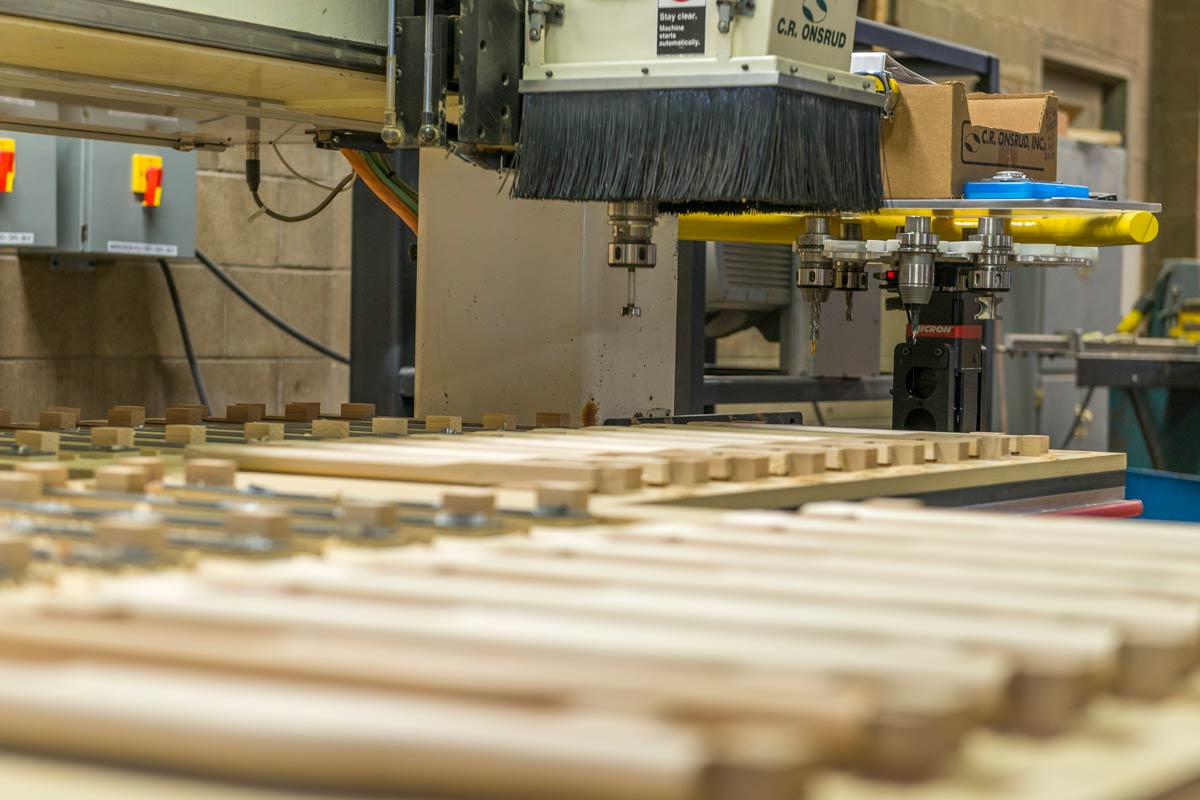
If you’re sourcing wood components for a product or manufacturing process, you might be wondering which wood you should use. The answer depends on how the component will be used. Strength, flexibility, durability and appearance are all factors to keep in mind when choosing the material you need. Let’s break down the key factors to consider so you can match the right wood species to the right application.
At HCM, we work closely with manufacturers to source and machine wooden components from U.S.-sourced lumber. Understanding wood characteristics helps ensure your finished product performs at its best.
Understanding Wood Characteristics
Before selecting a material, it’s important to look at the basic wood properties that affect performance. Focus on details like:
- Hardness: This determines durability and resistance to dents or wear.
- Strength: Stronger wood types are more likely to be used for structural components and high-use items.
- Flexibility: Certain woods are better at absorbing impact without cracking.
- Grain and appearance: Aesthetics matter if you’re looking for wood for decorative components.
- Rot resistance: If your product will be exposed to moisture, you need a wood species that won’t rot easily.
Where to Start: A Wood Species Comparison
Most manufacturing decisions begin with a basic selection guide for hardwood or softwood. Hardwoods are typically denser and more durable, making them ideal for parts that need strength and longevity. Softwoods are often lighter, easier to machine and well-suited for larger production runs. In many cases, both material categories can play a role depending on the component’s end use.
Best Woods for Tool Handles and Sporting Goods
For items like broom handles, tool handles and certain sporting goods components, durability and shock resistance matter most. Hardwoods like hickory and ash are common choices because they offer:
- High strength.
- Excellent impact resistance.
- Long-lasting durability.
These characteristics make them among the best woods for manufacturing parts that experience repeated use or stress.
Best Woods for Furniture Components
Furniture parts often require a balance between durability and visual appeal. Woods like maple, oak and poplar are frequently used for furniture components because they offer:
- Attractive grain patterns.
- Good machining characteristics.
- Strong structural properties.
Best Woods for Industrial Components
Industrial wooden components require consistent quality and predictable machining. Manufacturers often choose species like maple, birch or poplar because they provide:
- Uniform grain structures.
- Reliable machining performance.
- Consistent dimensional stability.
Best Woods for Outdoor Products
If you’re creating products that will be primarily used outdoors, you need a type of wood that can withstand the test of time. Hardwood is often best for outdoor applications due to its enhanced durability, but some softwoods are suitable for the outdoors, especially when well-treated. Options like cedar, white oak and cypress are:
- Dense and durable.
- Protected against insects.
- Resistant to water absorption and rot.
A Simple Framework for Choosing the Right Wood
The right selection guide can help you settle on the wood that best suits your product. If you’re still unsure, you can narrow down your options by considering three simple questions:
- How much stress will the part experience?
- Does appearance matter for the final product?
- Will the product be exposed to moisture or outdoor conditions?
By knowing how your product will be used, you can figure out which wood species offers the best performance and return on investment.
Contact HCM for a Quote
If you’re designing a new product or sourcing a replacement component, our team can help you select the right wood species and manufacturing approach. Get a quote today to start building your next custom wood component with HCM.